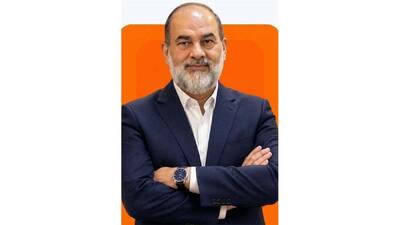
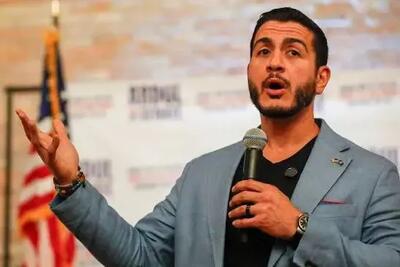
Seyed Taha-Hossein Madani, speaking to the Smart Governance News Agency, said that last year s events were accompanied by tragic incidents and significant
این بخش بهصورت خودکار گردآوری شده است. برای مطالعه کامل خبر، به منبع اصلی مراجعه کنید.
The head of the Smart Governance Think Tank has stressed the need to draw lessons from the Second and Third Imposed Wars, arguing that the post-war period should become an opportunity to rethink economic management, strengthen domestic capabilities, and expand public participation in major national projects through innovative financing mechanisms. Seyed Taha-Hossein Madani, speaking to the Smart Governance News Agency, said that last year’s events were accompanied by tragic incidents and significant human losses, including the martyrdom of the Leader of the Islamic Revolution, military commanders, and ordinary citizens. He added that valuable experiences were also gained during this period, which must be properly documented and used to strengthen the country’s capabilities in the future.
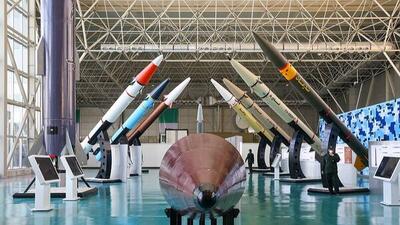
Madani said Iran, despite confronting two hostile adversaries backed extensively by numerous countries, managed to inflict significant damage on the opposing side’s military infrastructure by relying on its domestic resources and capabilities. He stressed that this performance would undoubtedly influence Iran’s international standing in the post-war period.
The head of the Smart Governance Think Tank also identified the management of the Strait of Hormuz as another important experience gained during this period. He explained that Iran’s ability to manage this strategically important and complex maritime passage efficiently, while complicating matters for its adversaries and minimizing negative consequences for friendly and allied countries, caused the repercussions of the aggression to spread across various sectors of the global economy and increased the costs of the enemy’s actions. …

 بازار