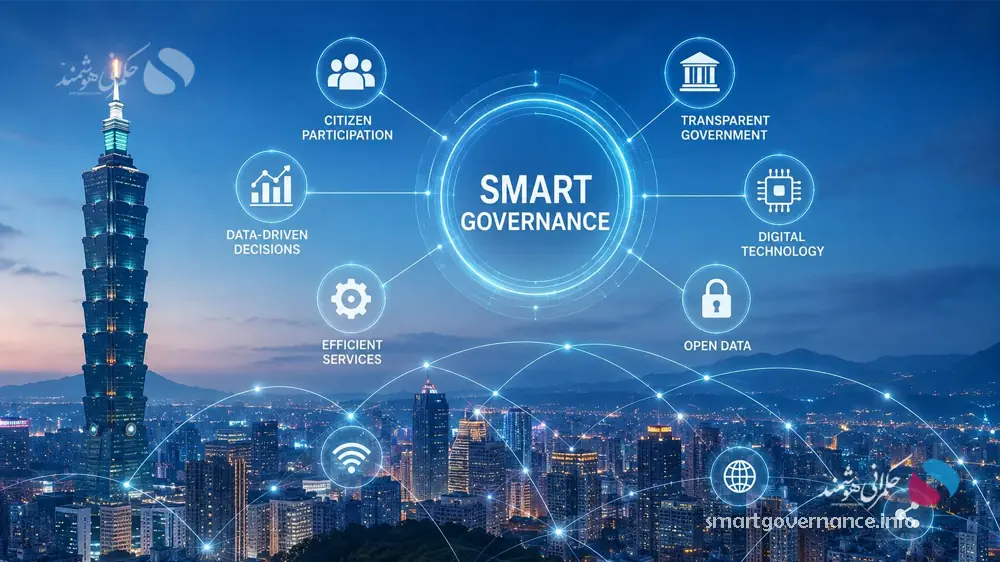
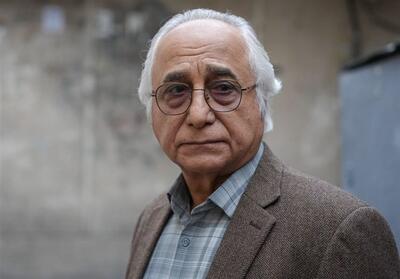
In an interview with Smart Governance News Agency, Taha Hossein Madani said that the transformation of political and administrative systems towards smart
این بخش بهصورت خودکار گردآوری شده است. برای مطالعه کامل خبر، به منبع اصلی مراجعه کنید.
The head of the Smart Governance Think Tank, outlining the key dimensions and requirements for implementing smart governance, said that leveraging emerging technologies to improve the quality of public services, increase transparency, streamline administrative processes and strengthen governments’ decision-making capabilities are among the defining features of this governance model. In an interview with Smart Governance News Agency, Taha Hossein Madani said that the transformation of political and administrative systems towards smart governance is a gradual process. It begins with e-government, progresses through digital government and ultimately reaches a more advanced level of public administration and decision-making.
At the first stage, information technology is primarily used to facilitate the exchange of information and data between citizens and government agencies. Digital government, however, goes a step further by combining technological tools with a comprehensive review and reform of administrative and operational processes.
He added that smart governance builds on the achievements of these two earlier stages and uses technologies such as artificial intelligence, Big Data, blockchain and the Internet of Things (IoT) to anticipate and prevent problems, reform institutional structures and optimize the performance of government agencies. Under this model, governments move beyond simply reacting to challenges and instead use data analysis and the identification of institutional weaknesses to address potential problems before they arise. …

 بازار