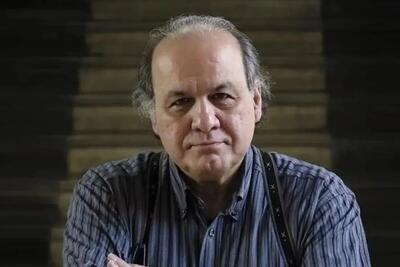
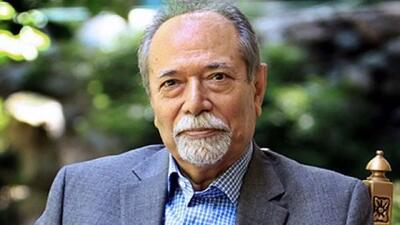
In an interview with the Smart Governance News Agency, Seyed Taha-Hossein Madani discussed the role of smart technologies in economic foresight. He said that
این بخش بهصورت خودکار گردآوری شده است. برای مطالعه کامل خبر، به منبع اصلی مراجعه کنید.
The head of the Smart Governance Think Tank, emphasizing the need to harness artificial intelligence in economic planning, said that this technology can help policymakers make more accurate decisions by analyzing economic and social variables simultaneously, identifying hidden trends, and developing possible future scenarios. However, realizing this potential depends on reliable statistics, integrated information systems, and removing barriers to data exchange among government agencies. In an interview with the Smart Governance News Agency, Seyed Taha-Hossein Madani discussed the role of smart technologies in economic foresight. He said that artificial intelligence makes it possible to examine a larger number of variables, constraints, and factors influencing the future, while reducing some computational limitations and errors in human analysis. Nevertheless, effective use of this technology depends on access to accurate and reliable information.
He stressed that the quality of initial data plays a decisive role in determining the credibility of analytical results. If baseline statistics contain errors, those errors can multiply during subsequent processing and forecasting. Under such circumstances, even advanced algorithms cannot produce reliable outputs and may provide decision-makers with results that appear precise but are far removed from reality.
Moving Beyond Planning Based on Countries’ Current Conditions
Explaining the role of foresight in economic policymaking, Madani distinguished between conventional development, sustainable development, and planning based on foresight. He said that under conventional development models, a country’s position is compared with that of developed countries, and targets are set to close the gap within a specified period. …

 دانلود از کافه بازار