بازار

این بخش بهصورت خودکار گردآوری شده است. برای مطالعه کامل خبر، به منبع اصلی مراجعه کنید.
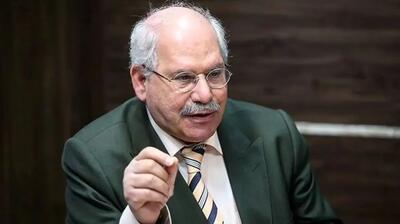
The head of the Smart Governance Think Tank said that professional rental housing can make the rental and housing market more responsive to public policy and reduce legal disputes in this sector. However, achieving this requires not only the will and capacity to implement policies, but also reliable data and statistics—an area in which Iran faces serious shortcomings. The National Real Estate and Housing System could play a significant role in addressing this gap and improving the way the market is managed and regulated. Seyed Taha-Hossein Madani, head of the Smart Governance Think Tank, discussed the rental housing market and its economic structure, saying that although professional rental housing has been adopted in many countries as a way to support tenants and make the sector more amenable to policy intervention, Iran’s rental market remains largely traditional. In the current system, tenants are connected to property owners through an intermediary: real estate agencies. Challenges of Traditional Renting and Weak Government OversightMadani pointed to several challenges associated with traditional rental arrangements, including inconsistent contract practices, varying standards of rental properties and inappropriate pricing.
He added that the government has introduced measures to oversee the market, including the Khodnevis self-service contract registration platform. Nevertheless, property owners can still withdraw their units from the rental market, creating disruption in supply. Government responses to such challenges have largely been reactive, addressing tensions after they arise rather than relying on a professional, structured approach to market management. Structural Differences Between Professional and Traditional Rental Housing …